
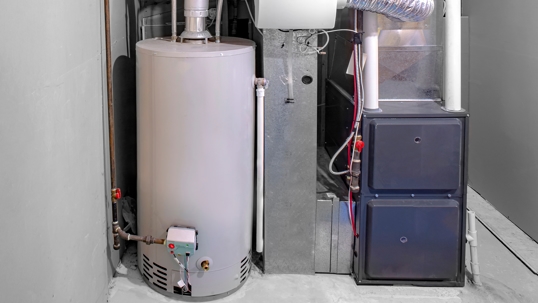
You expect a new furnace to fix your comfort problems, not create new ones. Yet we regularly hear from homeowners across Central New York who replaced their furnace, only to end up with the same cold rooms, strange noises, or even higher utility bills. A brand-new unit that costs thousands of dollars should not leave you wrapped in blankets or worried about safety.
In most of these situations, the furnace itself is not the real problem. The trouble usually starts on installation day, when shortcuts, guesswork, or rushed work set the system up to struggle for years. If you are planning a furnace replacement, or you are uneasy about how your last one was done, understanding common furnace installation mistakes gives you real leverage to protect your home and budget.
At Holbrook Heating & Air Conditioning, we have been installing and repairing heating systems in Syracuse and surrounding communities since 1983. Our team of more than 200 local employees has seen the same installation patterns play out in thousands of homes, which is one reason we have a 4.8-star Google rating backed by over 2,500 reviews and an A+ rating with the Better Business Bureau. In this guide, we will walk through the furnace installation mistakes we see most often, the symptoms you might notice, and how our process is built to avoid them.
Why Furnace Installation Mistakes Cause Problems Long After Install Day
A furnace installation lasts only a day or two, but the choices made during that window affect your comfort and safety for the next 15 to 20 years. Many homeowners assume that if the new system turns on and the inspector signs off, the job was done correctly. In reality, there is a big difference between a furnace that simply runs and one that is sized, connected, and tuned to work properly with your home.
Most long-term problems we see with new furnaces trace back to design and installation, not the brand of equipment. If the unit is too large or too small, if the ductwork cannot move enough air, or if the venting is mismatched, the furnace will run in a way the manufacturer never intended. That can show up as short cycling, uneven temperatures, high energy use, and unnecessary wear on components. Over time, these stresses can cut into the life of the system.
In Central and Upstate New York, winters are long and demanding, so installation mistakes get exposed quickly. A furnace that might limp along in a milder climate has to work far harder in Syracuse. We see this in older homes that have been modernized piecemeal, where a simple “swap out” approach fails because the original ducts, insulation, or venting no longer match the new equipment. A careful installer treats every replacement as a full system design project, not just a box change.
Understanding this bigger picture helps explain why two neighbors with the same brand and efficiency rating can have completely different experiences. The difference is usually not luck. It is the quality of the installation work that happened the day the furnace went in.
Incorrect Furnace Sizing Leads to Short Cycling, Cold Rooms, and Higher Bills
One of the most common furnace installation mistakes is getting the size wrong. Many contractors still size replacements by matching the old furnace capacity or by using a quick rule of thumb based on square footage. That approach ignores how your home has changed over time, and it assumes the original system was right in the first place. In our experience across Central New York homes, that assumption often does not hold up.
Proper sizing starts with a load calculation, sometimes called a Manual J calculation. This is a method for estimating how much heat your home actually needs on a design winter day, based on insulation levels, window size and type, air leakage, orientation, and room layout. It is more detailed than “you have 2,000 square feet, so you need this many BTUs.” When we perform these assessments, we frequently find that existing furnaces are one or even two sizes larger than the home really needs.
Oversizing causes a problem known as short cycling. The furnace heats the air in the ducts very quickly, the thermostat reaches the set point, and the unit shuts off after only a few minutes. The house might feel warm right near the thermostat, but other rooms, especially upstairs or at the ends of long duct runs, never really stabilize. You experience temperature swings, noisy starts and stops, and the furnace racks up more wear because it is constantly turning on and off instead of running steadily.
Undersizing creates a different set of headaches. An undersized furnace may run nearly nonstop on the coldest days and still leave certain rooms chilly, especially if the ducts are marginal. You might hear the system running for hours, see the thermostat struggle to climb, and feel like the house never quite catches up. That long runtime can drive up energy use and shorten the life of components that are running at full output most of the time.
Homeowners often notice sizing problems through symptoms like frequent cycling, wide swings between too warm and too cool, or rooms that lag behind even after a new unit is installed. At Holbrook Heating & Air Conditioning, we start replacements with a proper load calculation and a room-by-room look at your space. That way, we recommend a furnace capacity that fits your actual needs and works with your duct system, rather than repeating past mistakes.
Ignoring Ductwork and Airflow Leaves Your Home Uneven and Noisy
Another major furnace installation mistake is treating the furnace as if it operates in isolation from the duct system. In reality, your furnace and ducts are a team. If the ducts are too small, poorly laid out, or leaky, even a quality furnace cannot deliver comfortable, even heat. We see this every heating season in Syracuse and nearby communities, especially in older homes that have been added onto or remodeled.
Most replacements simply hook the new furnace up to whatever ductwork is already there. If the original contractor skimped on return ducts, crushed a trunk line in a crawlspace, or ran longer branches than the blower can handle, those problems will show up again with the new equipment. The result is familiar to many homeowners: one room that bakes while another stays cold, loud air rushing through certain vents, or barely any airflow in distant bedrooms.
Airflow issues often come down to static pressure, which is the resistance the fan has to push against to move air through the ducts. You can think of it a bit like blood pressure in the body. High static pressure means the blower is working hard just to move air, which can cause noise, reduce airflow to certain rooms, and stress the motor. Undersized return grilles, restrictive filters, and long, undersized branches all add up to high static pressure.
Typical homeowner clues that ductwork and airflow were not addressed during installation include vents that roar loudly when the furnace runs, rooms that always feel a bit stuffy or dusty, and significant temperature differences between floors. In two-story homes around Central New York, we often see warm downstairs and cool upstairs because the ducts were never balanced for the current layout or insulation levels.
As part of a proper furnace replacement, we inspect the duct system, measure airflow and static pressure, and talk through any bottlenecks we find. That might mean recommending an additional return, sealing key duct runs, or adjusting dampers to balance the system. Our technicians are trained to look beyond the furnace itself and treat the ductwork as an essential part of comfort, not an afterthought.
Improper Venting and Combustion Air Can Create Safety Risks
Some furnace installation mistakes do not show up as comfort complaints but as safety concerns. Gas and oil furnaces create combustion gases that must leave the home safely, and they need enough fresh air to support a clean flame. When venting is undersized, improperly sloped, or made of the wrong material for the type of furnace, combustion gases can spill back into the home or cause corrosion in the vent system.
We still encounter installations in Central and Upstate New York where a new high-efficiency furnace has been tied into an old metal chimney that was sized for a much larger, less efficient appliance. Modern condensing furnaces often require PVC venting that runs out a sidewall because the exhaust is cooler and contains moisture. Reusing an old metal flue without evaluation can lead to condensation inside the vent, rust, and potential leakage of combustion products into the house.
Combustion air is another critical piece. In tight homes, or in mechanical rooms that double as storage spaces, the furnace may not get enough air for the flame to burn properly. This can cause yellow, sooty flames, nuisance trips of safety controls, and in the worst case, increased carbon monoxide production. Having working carbon monoxide alarms is important, but the primary protection is correct venting and combustion air sizing based on manufacturer instructions and local code.
Homeowners may notice certain signs when venting or combustion air were not handled correctly, such as soot around the furnace, frequent flame rollout or pressure switch trips, or unusual odors when the system runs. In some cases, there are no obvious signs to the untrained eye, which is why venting is an area where you are relying heavily on the installer’s knowledge and care.
Our team has worked with multiple generations of furnace technology from brands like Lennox and Rheem, and we have seen how venting requirements have changed. We evaluate existing chimneys and vents, confirm what the new furnace requires, and update venting and combustion air provisions instead of simply reusing what happens to be there. In a winter climate like ours, where furnaces run for long hours, that attention to venting and combustion air is essential for safety.
Sloppy Gas, Electrical, and Condensate Connections Create Hidden Headaches
Beyond sizing and ductwork, basic connection details can make or break a furnace installation. Gas lines, electrical circuits, and condensate drains are not glamorous, but if they are handled carelessly, they create a steady stream of headaches for homeowners. We see this often when we are called out to troubleshoot brand-new systems that seem to have one problem after another.
On gas furnaces, the gas line must be correctly sized so the burner gets stable pressure when the unit fires, and all connections must be leak-tight. Undersized gas piping can cause the flame to fluctuate, leading to noisy operation or error codes. Loose joints can create gas odors and safety risks. Electrically, the furnace and blower need a circuit that can handle the load, with proper wiring and protection. Sharing circuits with other heavy loads can lead to nuisance trips and intermittent shutdowns.
High-efficiency furnaces also produce condensate, which is water created when the furnace extracts extra heat from the exhaust. That water must be routed through a properly installed drain or pump. If the condensate line is not sloped correctly, is undersized, or is simply left draped across the floor, it can clog or leak. Homeowners then discover water around the furnace, rust on components, or signs of mold nearby. Safety sensors may shut the furnace down to prevent damage, leaving you without heat.
Common homeowner-visible clues of connection problems include smelling gas near the equipment, seeing water around the furnace cabinet, hearing a breaker trip when the furnace starts, or dealing with frequent error codes on the control board. These are not “normal quirks” of a new system. They often trace directly back to rushed connection work on install day.
Our installers follow manufacturer specifications and good trade practices for gas, electrical, and condensate connections. We pressure check gas lines where applicable, confirm that electrical circuits are appropriate, and test condensate drainage before we leave your home. With a large local team, we can also send service technicians quickly if anything unexpected shows up after installation, so you are not left managing leaks or shutdowns on your own.
Skipping Start-Up Testing and Commissioning Leaves Your System Unverified
Even when the furnace is sized correctly, the ductwork is acceptable, and the connections are solid, there is still one critical step that separates a thorough installation from a rushed one. That step is commissioning. Commissioning is the process of testing and adjusting the system after install to confirm it is operating within the manufacturer’s specifications and delivering the performance your home needs.
A basic commissioning process includes checking temperature rise, which is the difference between the air going into the furnace and the air coming out. The manufacturer specifies an acceptable range. If the temperature rise is too high, it can indicate low airflow, which stresses the heat exchanger. If it is too low, the furnace may be moving air too quickly and not transferring heat effectively. Commissioning also involves measuring static pressure in the duct system, verifying gas pressure at the burner, checking safety controls, and confirming thermostat settings.
In a rushed installation, start-up testing often stops after “the furnace turns on, the thermostat works, and there are no obvious leaks.” Default blower speeds are left unchanged, staging options are not set up for two-stage or modulating equipment, and no measurements are taken. The system may seem fine on day one, but you might later notice noise, uneven heating, or higher than expected bills because the furnace is not tuned for your home and ductwork.
Homeowners usually are not present for these tests or may not even know to ask about them, which is why commissioning is one of the most overlooked furnace installation mistakes. Yet it is the step that catches mismatches between the furnace and ducts, reveals issues like high static pressure, and confirms that safeties will respond correctly under load. Skipping it is like driving a car off the lot without anyone checking fluid levels or tire pressure.
At Holbrook Heating & Air Conditioning, commissioning is part of our standard installation process. Our technicians document key measurements, adjust blower speeds and settings as needed, and walk you through what they checked before they consider the job complete. That extra time on install day pays off by reducing callbacks and giving you a furnace that actually operates the way the manufacturer intended.
How Homeowners Can Spot Red Flags and Ask the Right Questions
Knowing about these furnace installation mistakes is only helpful if you can use that knowledge to make better decisions. The good news is, you do not need to become an HVAC technician to protect yourself. A few targeted questions and observations can tell you a lot about how seriously a contractor takes installation quality.
During an estimate, watch what the person does. Do they spend time inside your home measuring rooms, looking at windows, checking insulation, and inspecting the existing ductwork, or do they mostly stand in front of the old furnace and quote a similar size? Someone who measures and looks around is more likely to perform a real load calculation and think about airflow, not just the equipment.
You can also ask direct questions, such as how they determine the right furnace size for your home, whether they check static pressure and airflow, and what commissioning tests they perform before calling the job finished. A reputable installer should be able to explain, in clear terms, how they handle sizing, duct evaluation, venting, and start-up testing. If answers sound vague, rushed, or dismissive, that is a red flag.
If you have already had a furnace installed and you are seeing signs like short cycling, persistent hot and cold spots, loud vents, water around the unit, or frequent error codes, it may be worth getting a second opinion. A post-installation inspection can reveal whether the issues stem from the equipment itself or from the way it was installed. In many homes we visit around Syracuse, we are able to identify specific installation missteps and recommend practical options to correct them.
Our approach at Holbrook Heating & Air Conditioning is to welcome these questions. We walk homeowners through our sizing methods, what we are seeing in their ductwork, and what tests we will perform at start-up. That transparency helps you feel confident that you are not just getting a new box in the basement, you are getting a heating system designed and installed to serve your home well.
Why Many Central New York Homeowners Choose Holbrook Heating & Air Conditioning for Furnace Replacement
All of the mistakes covered above share a common thread. They are not mysterious defects or unavoidable bad luck. They are the result of choices made on installation day about how much time to spend on design, how carefully to connect and test the system, and how seriously to treat your comfort and safety. In a cold climate like ours, those choices matter even more.
At Holbrook Heating & Air Conditioning, our furnace replacement process is built around avoiding these pitfalls. We begin with a detailed assessment and load calculation so we can recommend a furnace that matches your home, not just your square footage. We inspect and evaluate your duct system, talk through any limitations, and make airflow recommendations instead of pretending ducts do not matter. Our technicians follow manufacturer instructions for venting and combustion air, and they pay close attention to gas, electrical, and condensate connections so hidden issues do not surprise you later.
With more than 200 local employees, we have the capacity to perform thorough installations and respond quickly if you need service after the fact, while still operating as a family-owned company with deep roots in Syracuse and surrounding communities. Our work with top-tier brands like Lennox and Rheem is backed by a 4.8-star Google rating from thousands of reviews and an A+ rating with the Better Business Bureau, which reflects how our approach performs in real homes over many winters.
If you are planning a furnace replacement or you are concerned that your current system was not installed correctly, we can walk you through your options and show you, in clear terms, how we would approach your home differently. Schedule an in-home evaluation so we can look at your existing equipment, ducts, and venting, answer your questions, and help you choose a furnace installation that avoids the mistakes you have just learned about.
Call (315) 610-7858 to talk with the team at Holbrook Heating & Air Conditioning about furnace replacement in Central and Upstate New York.