
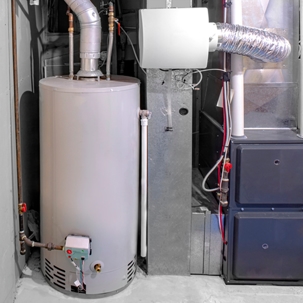
The night after a Syracuse snowstorm, a lot of homes wake up to the same surprise: the thermostat is set to heat, the furnace is humming or clicking, but the house still feels cold. Outside, the driveway is shoveled and the roads are plowed, yet inside the temperature keeps dropping. In many Central New York homes, this pattern shows up over and over again after the biggest snow events of the season.
If that sounds familiar, you are not alone. Across Syracuse and nearby communities, furnace repair calls often spike right after heavy, wind-driven snowfall. Neighbors talk about their systems quitting at once and wonder if the cold simply “killed” their equipment. The reality is more specific and more fixable than that, and understanding it can help you make smarter, safer choices when it happens to you.
At Holbrook Heating & Air Conditioning, we have been working on furnaces through Central and Upstate New York winters since since 1983. Our more than 200 team members live in the same snowbelt neighborhoods you do, and every year we see the same furnace repair snowstorm Syracuse patterns repeat after big lake-effect storms. We will walk through why that happens, what usually fails, what you can safely check yourself, and when it is time to call us for 24/7 service.
Why Syracuse Snowstorms Trigger Furnace Repair Surges
Syracuse snowstorms do not just drop a few inches. They often combine deep accumulation with strong winds that push snow up against houses, decks, and mechanical equipment. Those winds create drifts that can reach the height of low-mounted vents or trap blowing snow against exterior walls for hours. As the storm continues, the furnace works harder to keep up, all while its outside connections are slowly getting buried.
Modern gas furnaces, especially many high-efficiency models, rely on a steady supply of combustion air and a clear path to vent exhaust. They include safety controls that shut the system down if those paths are blocked or if something about the burn does not look right. When snow chokes off an intake or exhaust pipe, the furnace does not keep running and hope for the best. It protects your home by refusing to operate under unsafe conditions.
This is why so many homes can seem to lose heat at the same time after a storm. The common factor is not bad luck or every furnace in the neighborhood wearing out on the same night. The common factor is weather conditions that interfere with venting and drainage in a similar way across many houses. Because we have been handling these calls for decades, we can often predict what we will find based on how the snow fell and where winds were strongest.
During the coldest stretches, your system may also be running almost nonstop. That extended run time exposes any marginal part that has been barely getting by during milder weather. A borderline pressure switch, dirty flame sensor, or partially restricted filter is much more likely to show itself when the furnace is under storm stress. The storm did not create those weaknesses, but it did force them to the surface, which is why the calls cluster around big weather events.
How Snow & Ice Interfere With High-Efficiency Furnace Vents
High-efficiency furnaces have changed the way homes in Syracuse vent combustion air and exhaust, and winter weather plays a much bigger role in how well those systems function than many homeowners realize. Instead of using a traditional chimney, these furnaces rely on PVC intake and exhaust pipes that usually terminate through a sidewall, often near the ground, under decks, or along exterior walkways. These locations may seem perfectly safe during normal conditions, but in heavy snow and ice events they can quickly become problem areas. Drifting snow, plow piles, and ice buildup can block airflow in a matter of hours, turning a well-functioning furnace into a no-heat situation even though nothing inside the unit is actually broken.
When snow and ice interfere with high-efficiency furnace vents, the problems usually show up in very specific ways, including:
- Blocked intake pipes that prevent fresh combustion air from entering the system, causing pressure switches to trip and the furnace to shut down for safety.
- Buried exhaust terminations that stop flue gases from venting properly, triggering safety controls to prevent dangerous backdrafting into the home.
- Short cycling behavior, where the furnace starts, runs briefly, and shuts off repeatedly without completing a full heating cycle.
- Error codes or lockouts on the control board that appear after multiple failed ignition attempts caused by restricted airflow.
- Ice crusts around vent openings created when warm exhaust melts snow that later refreezes into a solid shell over the pipe.
- Hidden snowdrifts along sidewalls, decks, or fences that gradually rise high enough to cover vent pipes without being obvious from inside the house.
- Post-storm failures where a furnace seems to “suddenly” stop working after a snowfall, even though it ran fine before the storm.
Because these symptoms often mimic mechanical or electrical failures, homeowners naturally assume the furnace itself is the problem. In reality, during Syracuse winters, snow and ice outside can be just as disruptive as a failed internal component. Recognizing how venting works and knowing to check these exterior terminations after storms can prevent unnecessary service calls, reduce downtime, and help homeowners respond safely and quickly when the heat goes out.
Frozen Condensate Lines & Other Storm-Driven Furnace Failures
High-efficiency furnaces squeeze extra heat out of combustion by cooling exhaust gases enough that water condenses out of them. That water, called condensate, collects in a drain pan and then travels through a small plastic hose or pipe to a floor drain, pump, or other disposal point. When those lines run through unheated spaces or along cold exterior walls, they can freeze during a deep cold snap.
Once the condensate line freezes, water has nowhere to go. It can back up into the furnace, where internal sensors and float switches detect the rising level and shut the system down to prevent water damage or unsafe operation. You might see water around the base of the furnace, hear a gurgling sound, or notice the system shutting off shortly after starting as it detects the fault. In some cases, you will only see an error code and no obvious puddles.
Storms can also push moisture into small pressure tubes that connect the pressure switch to the vent system. When that tubing partially fills with water, the pressure readings go off, and the furnace may behave as if the vent is blocked even when it is visually clear. Ice can build up on exterior vent screens as warm exhaust meets cold air, forming a partial blockage that triggers similar problems. These issues are subtle and often require a technician to diagnose, because they look very similar to other failures from the outside.
Extended run times during extreme cold add another layer of stress. When the furnace runs almost nonstop, the blower motor, heat exchanger, and limit switches are all working harder. A limit switch is a temperature safety device that shuts the burners off if the furnace cabinet gets too hot, often because of restricted airflow from a dirty filter or undersized ductwork. During storms, when filters may already be overdue for replacement, that extra workload can tip the balance and cause frequent limit trips.
Our technicians regularly arrive after Syracuse storms to find a combination of these issues. A frozen condensate line in the basement, partly iced-over vents outside, and a filter that has not been changed in months can all stack into one confusing no-heat situation. The furnace is doing what it was designed to do, protect your home and itself. The weather simply exposed multiple weak spots at the same time.
Why Power Outages & Brownouts After Storms Confuse Your Furnace
Snowstorms in Central New York do not just bring snow and cold. They often bring power issues, from brief flickers to longer outages. Your furnace depends on a steady electrical supply to run its controls, fans, igniter, and gas valve. When that power is interrupted in the middle of a heating cycle, the control board can record a fault, stop the sequence, or end up in a confused state that requires a reset.
After a power outage or a series of brownouts, you might notice that lights in the home have flashed, clocks are blinking, and some electronics have rebooted. The furnace may respond by refusing to start a new heating cycle, even once power appears stable. In some cases, turning the furnace’s service switch off for a minute, then turning it back on, allows the board to clear the error and restart normally.
However, power issues often overlap with the mechanical problems created by snow and cold. A furnace might have a blocked vent and also have experienced a recent outage. Resetting power alone will not fix the underlying airflow problem, so the furnace will attempt to start, fail its safety checks, and shut down again. This can be frustrating if you assume the reset “should” have solved everything.
From the outside, it can be hard to tell whether you are dealing with a simple control hiccup or a real safety fault. That is where having a trained technician makes a difference. Our team works with high-efficiency systems from brands like Lennox and Rheem, so we know how their control boards behave after power events and what each error pattern points to. During and after major storms, our emergency crew fields many calls where we have to sort out this mix of electrical and mechanical causes.
What You Can Safely Check Before Calling for Furnace Repair
When the house is getting cold, it is tempting to start taking panels off and trying anything that might get the furnace going again. A better approach is to work through a short list of safe checks that often solve simple issues or give you useful information when you do call. None of these steps require opening the furnace cabinet or touching gas or electrical components.
Start indoors with the basics. Confirm that the thermostat is set to “Heat” and that the setpoint is above the current room temperature. If it uses batteries, replace them if you have not done so recently, since weak batteries can cause erratic behavior. Next, find the furnace’s power switch, which usually looks like a regular light switch on or near the unit, and make sure it is in the On position. Check your electrical panel for a tripped furnace or air handler breaker and reset it once if needed.
Then move to airflow. Locate your furnace filter and slide it out to inspect it. If it looks packed with dust or you cannot see light through it, replace it with the correct size and orientation. A badly clogged filter forces the furnace to work harder, especially in very cold weather, and can cause it to overheat and shut down on its safety limits. Fresh filters are a simple, inexpensive step that helps prevent many cold-weather headaches.
When it is safe to go outside, take a careful look at your intake and exhaust pipes if you have a high-efficiency furnace that vents through a sidewall. They are usually white or gray PVC pipes exiting through the side of the house, sometimes under a deck. Clear snow away from around them by hand or with a shovel kept at a distance, and gently remove any loose snow or soft ice from the openings without forcing anything into the pipe. Avoid climbing or reaching into unsafe positions to get to them.
There are clear lines you should not cross. Do not remove furnace panels, attempt to light burners manually, adjust gas valves, or bypass any safety switches. Those steps require tools and training and can create serious hazards. Our customer-first approach means we want you to handle simple, safe checks and then stop. If the furnace is still not running correctly after those checks, that is the time to call for professional service.
How To Prepare Your Furnace Before Syracuse Snowstorms Hit
One way to reduce the chance of a no-heat emergency during a storm is to prepare the system before winter hits hard. A professional furnace tune-up before peak snow season gives a technician a chance to clean internal components, verify safety controls, and confirm that venting and drainage are ready for the weather ahead. This is especially valuable for high-efficiency furnaces, which have more parts that interact with cold air and condensate.
During a maintenance visit, our team can clean burners, inspect and clean the flame sensor, check the condition of the igniter, and make sure the condensate drain and trap are clear and pitched correctly. We also verify that pressure switches are responding properly and that the filter and blower are in good shape. When these items are taken care of before the first major storm, the furnace is less likely to struggle when it has to run almost nonstop in subfreezing temperatures.
Outside the furnace cabinet, storm prep is just as important. Take note of where your intake and exhaust pipes exit the house and consider marking them with stakes or tall flags nearby so you can find them more easily under deep snow. Make a habit of keeping a clear area around those pipes when you shovel or blow snow, rather than piling snow directly under or over them. If you have vents under a deck, be aware that snow blowing through the deck boards can still bury the terminations.
It also helps to set realistic expectations for your home’s temperature during extreme cold. When the outside air is in the single digits with strong winds, even a properly sized and tuned furnace has limits. Setting the thermostat far above normal can lead the furnace to run continuously, which magnifies any small airflow or component issues. Holding a steady, reasonable setpoint during storms can reduce strain while still keeping the home comfortable.
Because we have been maintaining heating systems in Syracuse and the surrounding communities since 1983, we know how to tailor maintenance and prep suggestions to our local housing stock and weather patterns. Older homes with mixed additions, venting routed through unheated crawlspaces, and furnaces tucked in cold corners all have their own quirks. Our maintenance visits are a chance to spot those quirks and suggest practical adjustments before the next big snow event.
When A Post-Storm Furnace Problem Means You Need Professional Help
Even with good preparation and safe homeowner checks, there are times when a post-storm furnace problem clearly calls for a professional. Knowing those signs ahead of time helps you avoid unsafe DIY attempts and speeds up the path to getting your heat back. It also lets you give our dispatch team accurate information, so we can prepare for your specific situation.
You should call for service promptly if the furnace repeatedly starts then shuts down after you have confirmed clear vents, a fresh filter, and proper thermostat settings. Persistent error codes on the furnace, ongoing lockouts, or a system that runs the blower but never produces warm air are all signs that internal components or safety controls need trained attention. Water around the base of the furnace, especially during or right after a cold snap, points to condensate and drainage issues that should be inspected.
Other red flags include new loud noises, such as grinding, banging, or high-pitched squealing, and any burning or electrical smells when the furnace tries to run. A system that is completely dead, with no response from the blower or inducer fan even after checking breakers and the furnace switch, also needs professional diagnosis. While multiple neighbors losing heat can indicate shared utility issues, your own equipment and venting still need to be checked to rule out house-specific problems.
On a storm-related service call, our technicians typically start by assessing venting, checking error codes, and verifying gas and electrical supply. We inspect pressure switches, flame sensors, igniters, and condensate drains, looking for ice, moisture, or wear that aligns with what the weather has just done. Because our team handles a high volume of these calls every winter, we recognize patterns quickly and can move straight to the most likely failure points for the conditions you describe.
Our 24/7 emergency service is set up for exactly these moments. When a snowstorm rolls through Syracuse and temperatures drop, our large team allows us to respond to surges in furnace repair snowstorm Syracuse calls more effectively than a very small shop can. You do not have to decide alone whether a symptom justifies a call. If you are unsure, we would rather you reach out and let us help you decide the safest next step.
Why Choosing A Local Syracuse HVAC Team Matters After A Snowstorm
After a major storm, you are not just looking for anyone who can work on a furnace. You are looking for someone who understands how Syracuse weather, local housing styles, and common venting practices interact. Local knowledge matters when snow can drift differently from one side of town to another and when older homes have been retrofitted with high-efficiency equipment in tight spaces.
Because our employees live in the same communities we serve, we know how lake-effect bands can bury one neighborhood while leaving another mostly clear. We have seen how certain sidewall vent locations under decks or near prevailing winds repeatedly cause trouble. That familiarity helps us diagnose storm-related failures faster and suggest changes, like raising vent terminations or improving drainage routes, that make sense for Central and Upstate New York winters.
Our generational knowledge and team of more than 200 people mean we have the capacity to respond when many homes call at once, while still keeping the family-owned mindset that treats every house like a neighbor’s. Property owners across the region have reflected that in our 4.8-star Google rating backed by over 2,500 reviews and our A+ rating with the Better Business Bureau. Those are not just numbers. They represent thousands of times we have shown up in stressful situations and provided clear communication and steady work.
When you combine that track record with our focus on high-quality products from leading brands, you get a partner that understands both the equipment and the environment it has to operate in. That is especially important after storms, when you may be weighing whether to repair, adjust, or eventually replace a system that struggled through the latest snow event. We can walk you through those choices with local, weather-tested perspective.
Stay Warm After The Next Snowstorm With A Furnace Team That Knows Syracuse
Major snowstorms in Syracuse do not randomly ruin furnaces. They expose venting, drainage, and airflow issues that are already there, and they push safety controls to do what they were designed to do. By understanding how snow, ice, and power fluctuations interact with your furnace, you can take a few smart steps before and after storms to reduce the risk of a no-heat emergency and to know sooner when it is time to bring in a professional.
If your home is already cold after a recent storm, or if your furnace showed warning signs this winter such as frequent shutdowns, frozen drains, or buried vents, now is a good time to act. Our team at Holbrook Heating & Air Conditioning is available around the clock for emergency furnace repair snowstorm Syracuse calls, and we also schedule preseason maintenance to get your system ready before the next band of heavy snow parks over your street. We live here, we work here, and we understand what your furnace is up against.
Call (315) 610-7858 to schedule furnace service or emergency repair today.