
Your furnace made it through the first big cold snap in Syracuse, but now it seems to run almost nonstop, some rooms still feel chilly, and your utility bill just jumped. You might be wondering if this is just what winter feels like in Central New York or if your system is hinting that something is wrong. The idea of a breakdown during the next lake-effect storm is in the back of your mind, but you also do not want to schedule a visit you may not really need.
We talk to a lot of homeowners in exactly this spot every winter. By mid-season, the furnace has been working hard for weeks, and new noises, uneven temperatures, or rising bills start to show up. A standard fall tune-up is important, but it is not a crystal ball. Real Syracuse weather can expose issues that do not appear until your furnace is running under full winter load, especially in older homes or homes with duct and insulation challenges.
At Holbrook Heating & Air Conditioning, we have been keeping homes and businesses warm across Syracuse and Central and Upstate New York since 1983. Our technicians live in the same communities and see the same storms you do, and every winter we see patterns in how furnaces behave after a couple of months of heavy use. In this guide, we will share what we have learned so you can decide when a mid-winter furnace checkup in Syracuse makes sense and when yearly maintenance is enough.
Why Mid-Winter Is Tough On Syracuse Furnaces
Winters in Syracuse are not gentle. Long stretches of subfreezing temperatures, frequent lake-effect snow, and damp cold keep furnaces working hard from late fall into early spring. On the coldest weeks, your furnace can run for hours at a time with only short breaks. That constant operation creates a level of stress on components that a mild-climate system does not experience, especially when the home has drafts or limited insulation.
As runtime climbs, heat and vibration start to take a toll on the parts that light, monitor, and move heat through your home. The ignitor that lights the burners, the flame sensor that confirms they are burning properly, the blower motor that moves air, and the bearings that let that motor spin smoothly all see more cycles and higher temperatures. Dirt that was minor in November can become a serious insulator by January, holding heat where it should not linger and forcing the system to work harder to push air through filters and ducts.
Mid-winter cold also affects how your furnace handles combustion and venting. When outside temperatures drop, exhaust gases cool faster in metal or plastic vent pipes. That can create more condensation, which frozen vents or partially blocked terminations sometimes cannot drain properly. In high-efficiency furnaces, condensate lines can clog, and outdoor terminations can ice over, which can trigger safety switches and shutdowns. Even standard-efficiency systems can struggle if wind-driven snow piles up around flue pipes or sidewall vents on homes around Syracuse and neighboring communities.
We have watched these patterns play out across decades of Central and Upstate New York winters. Many of the no-heat calls we receive in January and February come from systems that started the season fine but developed problems after weeks of heavy use. That is why understanding what mid-winter stress does to your furnace is the first step in deciding whether an extra checkup is worthwhile this year.
Annual Tune-Up vs. Mid-Winter Furnace Checkup In Syracuse
An annual furnace tune-up is still the foundation of a healthy heating system. In a typical fall maintenance visit, a technician will inspect and clean burners, check the ignitor and flame sensor, replace or clean the filter if needed, verify gas connections, measure temperature rise, and test safety controls. The goal is to start the season with a clean, properly adjusted system that is operating within the manufacturer’s guidelines.
A mid-winter furnace checkup in Syracuse is different because it looks at how your furnace is performing under full load after weeks of work. Instead of a system that has been mostly idle since last season, the technician is evaluating one that may be running almost constantly. That gives us a chance to hear the noises that only show up after longer cycles, see how quickly the temperature in the home recovers, and measure performance when ductwork, vents, and components have a couple of months of new dust and wear on them.
During a mid-winter checkup, we still handle core maintenance tasks, but we also focus on issues that tend to appear after the season is underway. That often includes a closer look at the blower wheel and housing for dirt buildup, checking amp draw on motors to spot strain, verifying that the flame sensor is clean and reading correctly after repeated heating cycles, and confirming that limit switches and other safety controls are not tripping due to overheating or airflow issues. On high-efficiency systems, we pay special attention to condensate drains and outdoor vent terminations that could be affected by ice or snow.
Not every home needs two service visits every winter. In our experience, the choice to add a mid-winter furnace checkup in Syracuse depends on the age and condition of your system, how it is behaving now, and how hard it has been working. Our approach is to give you a clear picture of what your furnace is doing today so you can decide if catching a minor problem early is worth more than the risk and inconvenience of a surprise breakdown later.
Clear Signs You Should Not Wait Until Spring
Some furnace issues that show up mid-season are minor inconveniences, while others are early warnings that should not be ignored. The challenge for many homeowners is knowing the difference. In the middle of a Syracuse winter, it is tempting to assume that odd noises, longer run times, or small comfort changes are just part of heavy cold-weather operation. In reality, many of these symptoms are the system’s way of signaling that something is wrong and getting worse under load. Recognizing these signs early can help you schedule service at a controlled, convenient time instead of dealing with a sudden no-heat emergency during the coldest part of the season.
Clear warning signs that you should not wait until spring include:
- Short cycling, where the furnace starts and stops repeatedly without fully heating the home, often linked to airflow restrictions, sensor failures, or overheating components
- Excessively long run times, with the system running constantly but still struggling to reach the thermostat setting
- Noticeable airflow changes, such as weak airflow from vents or rooms that never seem to warm up properly
- New mechanical noises, including rattling, banging, grinding, or screeching sounds coming from the furnace or ductwork
- Ignition-related sounds, like a loud “boom” or delayed lighting when the burner starts
- Persistent burning or electrical odors, especially after the furnace has already been running regularly for weeks
- Visible residue, such as soot near the furnace, supply registers, or venting components
- Repeated breaker trips, blown fuses, or power interruptions connected to furnace operation
- Carbon monoxide alarms or physical symptoms, including headaches, dizziness, or nausea when the system is running
These symptoms rarely improve on their own. In fact, heavy winter use typically makes them escalate faster. Many mid-season furnace failures happen after weeks of smaller warning signs that were easy to dismiss at first. The advantage of addressing them early is that repairs are often simpler, safer, and less disruptive when the system is still running. A planned mid-winter checkup can prevent a late-night, no-heat situation during a cold snap and protect your system from more serious damage. Catching problems now gives you more options, more control over scheduling, and far less stress than waiting for a full breakdown in the middle of winter.
When A Mid-Winter Checkup Is Worth It, And When Annual Service Is Enough
Once you know what to look for, the next question is whether your specific situation calls for a mid-winter furnace checkup in Syracuse or if staying on your annual schedule is reasonable. There is no single answer that fits every home, but there are clear patterns we have seen over the years across Central and Upstate New York.
A mid-winter visit usually makes sense if your furnace is older, around 15 to 20 years or more, and it has been running heavily. In older systems, internal parts are already closer to the end of their useful life. The extra stress of long run cycles in a Syracuse winter can turn minor wear into sudden failure. If you have also noticed symptoms like short cycling, long recovery times, rising bills compared to last year, or new noises, those are strong signs that a mid-season check is likely a good investment.
We also recommend considering a mid-winter checkup if your system had significant repairs in the last year, if you recently moved into the home and do not know the maintenance history, or if you skipped or delayed fall maintenance. In those cases, a technician has a chance to verify that earlier work is holding up under load, confirm that installation in your new-to-you home is safe and sized correctly, or catch issues that regular maintenance would have addressed before winter.
On the other hand, if your furnace is relatively new, you had a thorough tune-up in the fall, and the system is quietly keeping the entire home comfortable without unusual cycling or smells, you may be fine waiting until your next scheduled maintenance. In those situations, we usually suggest simple homeowner checks, such as making sure the filter is clean, vents are open and unblocked, and outdoor terminations are clear of snow or ice so airflow and venting stay within normal ranges.
Our goal at Holbrook Heating & Air Conditioning is to match service to need. We regularly talk with customers who call in nervous about a noise or bill change, and after a few questions, it becomes clear that a simple filter change or thermostat adjustment will solve the problem. In other cases, the symptoms tell us that seeing the system in person before the next cold snap is the smarter, lower-risk choice. We share that reasoning so you can make an informed decision rather than feeling pushed into a visit you do not need.
What Our Technicians Do During A Mid-Winter Furnace Visit
One reason some homeowners hesitate to schedule a mid-winter furnace checkup in Syracuse is that they are not sure what actually happens during the visit. When you understand what we do and why, it is easier to see the value in catching developing issues before they turn into emergencies or cause more expensive damage.
When a technician from Holbrook Heating & Air Conditioning arrives, the first step is listening. We ask you what you have noticed, such as noises, hot or cold spots, changes in run time, or recent utility bill spikes. That information tells us where to focus our attention. We then perform a visual inspection of the furnace, surrounding area, and accessible ductwork to check for obvious issues like blocked returns, closed or covered registers, or signs of water or soot where it does not belong.
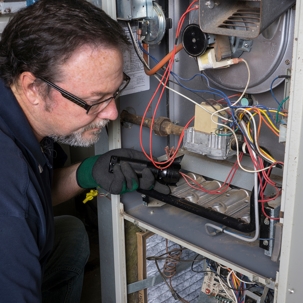
Next, we move into a more detailed operational check. That often includes inspecting and cleaning the burners, checking the ignitor and flame sensor for wear and buildup, and verifying that the flame pattern is stable and properly shaped. We check the blower assembly for dust on the wheel and housing, which can reduce airflow and efficiency, and we measure motor amp draw to see if the motor is working harder than it should. Where applicable, we lubricate appropriate moving parts and tighten electrical connections to reduce the chance of intermittent failures.
We also focus on safety and performance measurements that matter most in mid-winter. That means testing limit switches and other safety controls to confirm they are shutting the system down if overheating or improper combustion is detected, confirming that the temperature rise across the furnace is within the recommended range, and checking filters and ducts for restrictions that could cause those readings to drift. On high-efficiency units, we inspect condensate traps and drains and examine outdoor vents for ice or snow buildup that may not have been an issue early in the season.
Our team works daily with leading furnace brands like Lennox and Rheem, so we are familiar with how different models tend to behave when components start to age. At the end of the visit, the technician reviews what they found, addresses any adjustments or minor repairs that can be handled on the spot with your approval, and discusses whether your furnace looks ready to finish the season or if there are bigger decisions to think about before next winter.
How Syracuse Homes And Buildings Affect Furnace Stress
The building itself is a big part of the story. Two furnaces of the same age can perform very differently depending on the home or commercial space they serve. In Syracuse and surrounding Central New York communities, we see a mix of older drafty homes, houses with additions, and light commercial buildings, and each creates its own type of strain on a heating system.
Many older homes in the area have original ductwork that was never designed for today’s layouts or insulation levels. Additions with long duct runs, finished attics, and partially heated basements can leave some rooms far from the furnace with limited airflow. When those spaces stay cold, homeowners tend to raise the thermostat to compensate, which makes the furnace run longer and harder than it would in a more balanced system and adds wear on key components.
Airflow restrictions are another common issue. Furniture placed over supply registers, area rugs covering floor vents, closed doors, and blocked or undersized return air grilles all make it harder for the blower to move enough air. The result can be noisy ducts, hot supply air that cools down before reaching far rooms, and increased temperature inside the furnace cabinet itself. Over time, that combination can contribute to limit switch trips, short cycling, and blower motor strain that often surfaces in the middle of winter.
In light commercial spaces and multi-unit buildings around Syracuse, we often find that filters are shared between several suites or that equipment rooms double as storage areas. Boxes or materials stacked too close to equipment can restrict airflow, trap heat, and make access for maintenance more difficult. A mid-winter furnace checkup gives our technicians a chance to identify these building and usage issues and make practical recommendations that reduce stress on the system and improve comfort without necessarily replacing equipment.
Because our technicians live and work in the same communities, we have seen these patterns play out in many homes and buildings across Central and Upstate New York. That local familiarity helps us quickly spot when a comfort problem is really a duct or building issue that needs attention alongside the furnace itself.
Scheduling Smart: Avoiding Emergency Calls During The Next Cold Snap
How you time a mid-winter furnace checkup in Syracuse can make a big difference in your comfort and peace of mind. During the coldest weeks, especially when a deep freeze or lake-effect event rolls through, service requests tend to jump as systems that were on the edge finally fail. Emergency calls at night or on weekends do get handled, but they often come with more stress and disruption than a planned daytime appointment.
If you have started to notice any of the warning signs described earlier, a “wait and see” approach can be risky in this climate. Every day of very cold weather adds more runtime and more stress to parts that may already be marginal. Scheduling a proactive visit before the next forecasted cold wave gives our technicians time to find and address issues on your schedule, instead of your furnace deciding the timetable for you and your family.
There are still times when issues appear suddenly. For those situations, Holbrook Heating & Air Conditioning provides 24/7 emergency heating service across Syracuse and surrounding communities. With a team of more than 200 employees, we have the capacity to respond when you lose heat. At the same time, we encourage our neighbors to use what they are seeing and hearing from their furnaces as early warning signs. A mid-winter checkup or timely diagnostic visit often avoids that middle-of-the-night call during the coldest part of the year.
Find Out If A Mid-Winter Furnace Checkup Makes Sense For Your Syracuse Home
In a place like Syracuse, one annual furnace tune-up is the starting point for reliable heat, not a guarantee that nothing will change as winter wears on. Long run times, deep cold, and the quirks of local homes and buildings all play a role in how your system holds up by mid-season. Paying attention to specific signs, such as short cycling, new noises, uneven heating, or rising bills, helps you decide whether a mid-winter furnace checkup is the right move this year.
If these mid-winter symptoms sound familiar or you would rather address small issues before the next cold front, we are ready to take a careful look at your system and give you straightforward advice. Whether you need a mid-season diagnostic visit, a full mid-winter furnace checkup in Syracuse, or it makes sense to simply schedule your next annual tune-up, our team will walk you through your options so you can choose what is right for your home and comfort.
Call (315) 610-7858 today to talk with the team at Holbrook Heating & Air Conditioning about your furnace and schedule your maintenance appointment.