
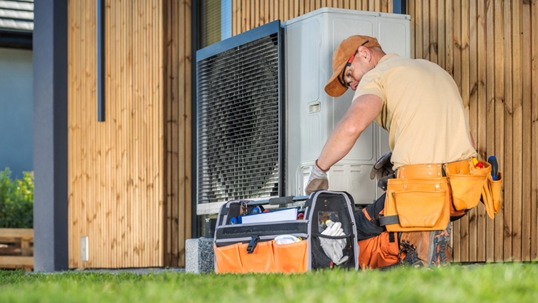
On the first truly bitter night of a Syracuse cold snap, a silent furnace can make you reach for your toolbox before you reach for the phone. The house cools down fast, family members start layering blankets, and a quick search for “DIY furnace repair” pulls up videos that make the fix look straightforward. In that moment, getting the heat back on feels more urgent than worrying about what might go wrong.
That impulse makes sense. Service calls cost money, after-hours timing is inconvenient, and many homeowners in Central New York are used to fixing things themselves. A blinking error light, a filter that looks a little dirty, or a thermostat that has been acting odd can all seem like small problems that just need a little tinkering. From the outside, a furnace looks like one more appliance you can nurse along through winter.
At Holbrook Heating & Air Conditioning, we see the other side of those DIY attempts. Since 1983, we have been working on furnaces in Syracuse and across Central and Upstate New York, and every winter our technicians walk into homes where a simple issue turned into a major repair after a well-meant fix. This guide pulls from those real patterns so you can see how your furnace really works, where DIY goes wrong, and how to keep your home safe and comfortable without creating bigger problems.
Why DIY Furnace Repair Feels Tempting on a Syracuse Winter Night
If your furnace shuts off at 10 p.m. on a January night, you are not thinking about control boards or pressure switches. You are thinking about how cold the bedrooms will be by morning and whether the pipes in exterior walls might freeze. The stakes feel high and immediate, especially in older Syracuse homes that lose heat quickly. In that situation, getting the burner to light even once can feel like a victory.
There are also practical pressures behind DIY attempts. Many homeowners worry that a service visit will be expensive, or that calling after normal hours means waiting in a long line. Others have had past experiences where a minor issue led to a big replacement recommendation, so they are wary of calling anyone until they rule out what they see as the simple stuff. With online forums and videos at their fingertips, it is understandable that someone wants to see what they can do on their own first.
Online advice adds to that confidence. Short clips show someone pulling a flame sensor, brushing it off, and declaring the job done. Articles suggest tapping a pressure switch, wiggling thermostat wires, or power cycling the furnace until it starts. The message is that most furnace issues are minor, and that a careful homeowner can handle them. What often gets left out is how modern furnaces layer safety controls and electronics, and how easy it is to upset that balance without realizing it.
For over forty years in this region, we have seen how that gap in understanding plays out. Our technicians are often called after several home attempts have already taken place, and by then a worn sensor has become a damaged control, or a simple airflow issue has turned into repeated overheating. The goal of this blog is not to criticize those efforts. It is to give you enough insight into how your system works that you can decide what is reasonable to tackle and when to call for help before a small problem grows.
How Your Gas Furnace Actually Works During a Syracuse Cold Snap
To see why small DIY changes can have big effects, it helps to understand what your furnace does every time it starts. When your thermostat senses the home is cooler than your setting, it sends a low-voltage signal to the furnace asking for heat. The control board, which acts as the brain, checks that conditions are safe. It starts by powering the draft inducer motor, a small fan that begins pulling exhaust gases through the venting system.
As the draft inducer runs, a pressure switch monitors the airflow in the vent. If the vent is open and drawing correctly, the pressure switch closes and tells the control board that it is safe to light the burners. If snow, ice, nests, or other blockages restrict the vent, the switch may stay open and the furnace will not light. In a Syracuse winter with heavy wet snow and consistent winds, that vent path is under a lot more stress than in milder climates.
Once venting checks out, the control board opens the gas valve and starts ignition. Depending on your model, this may be a hot surface igniter that glows or a spark igniter that clicks. When the burners light, a metal rod called a flame sensor sits in the flame path and sends a tiny electrical signal back to the control board. If that signal looks right, the board keeps the gas flowing. If the flame sensor does not confirm flame, the board quickly shuts the gas off to help prevent raw fuel buildup.
As the burners heat the metal heat exchanger, a blower fan turns on and moves household air across the exchanger, picking up heat and sending it through your ductwork. A high-limit switch watches the temperature inside the furnace cabinet. If airflow is restricted by a clogged filter, closed registers, or blocked returns, the temperature can rise too high. The high-limit switch then tells the control board to turn the burners off until the unit cools and can safely resume operation.
During a Syracuse cold snap, this entire sequence may cycle many times a day, often with longer run times. Any restriction in airflow, partial vent blockage, or weakening ignition component is exposed more quickly under that load. Your furnace is not a simple on-off device, it is a chain of safety checks and timed steps. When a DIY repair changes wiring, bypasses a switch, or roughs up a sensor, it interrupts a sequence that was designed to fail safe and protect your home.
Common DIY Furnace Fixes That Backfire on Syracuse Homeowners
When a furnace starts acting up, many homeowners instinctively try to fix the problem themselves. While DIY attempts can seem simple and even appear effective temporarily, they often create new issues that are difficult to diagnose later. At Holbrook Heating & Air Conditioning, we frequently see well-meaning homeowners inadvertently cause additional problems while trying to address what may have been a minor repair.
Common DIY furnace fixes that backfire include:
- Thermostat tinkering Removing the thermostat, reconnecting wires, or swapping in a new unit without matching it properly to the system can lead to short cycling, random shutdowns, or constant blower operation.
- Cleaning or bending components Scraping a flame sensor, pushing a safety switch, or adjusting parts may temporarily restore operation but does not address the underlying issues like poor combustion, weak draft, or blocked filters.
- Bypassing safety features Attempting to tape or disable switches intended to protect your furnace can create unsafe conditions and lead to more frequent system failures.
- Altering venting or burner compartments Moving vent pipes or opening sealed compartments without understanding airflow and slope requirements can cause condensation buildup, snow blockages, or unsafe combustion.
- Repeated power cycling Flipping the power switch on and off multiple times may reset the system temporarily but can stress the control board and other electrical components.
- Neglecting diagnostics Skipping proper troubleshooting often leads to misdiagnosed issues and additional component damage, increasing repair complexity and costs.
These well-intentioned DIY attempts often turn a minor furnace problem into a more serious and expensive repair. At Holbrook Heating & Air Conditioning, we emphasize professional diagnosis and repair to ensure your system is safe, efficient, and reliable. Early intervention by trained technicians can prevent unnecessary damage, extend the lifespan of your furnace, and save you both time and money over the long term. Trying to shortcut repairs rarely produces lasting results and can create a cycle of recurring problems that could have been avoided with proper service.
The Risk Behind (Just Cleaning the Flame Sensor)
Flame sensors attract a lot of DIY attention because they are small, visible parts that look easy to remove and clean. The sensor is a thin metal rod that sits in the burner flame and sends a tiny signal back to the control board. That signal tells the board the flame is actually present, so it is safe to keep the gas valve open. If the board does not see a strong enough signal, it will shut off gas quickly to help protect against unburned fuel buildup.
Over time, the rod can accumulate oxidation and deposits that weaken the flame signal. A light cleaning with the right materials can restore function. The problem is that many online instructions suggest aggressive abrasives or scouring methods. Sandpaper that is too coarse or repeated heavy scraping can remove a thin protective layer on the sensor and shorten its life. In some cases, homeowners also bend the rod slightly while handling it, so it no longer sits in the proper part of the flame.
Even when the cleaning is gentle, a weak flame signal is not always the root problem. Issues like low gas pressure, poor grounding, a partially plugged burner, or a damaged ignition system can all cause intermittent flame sensing. If a DIY cleaning temporarily changes the signal, the furnace may run for a while, giving the impression that the problem is fixed. When the underlying combustion issue worsens during deeper winter use, the furnace starts locking out again and the homeowner is back to square one, now with a worn sensor and an unresolved combustion problem.
Why Resetting Safety Switches Is Not a Real Repair
High-limit switches and pressure switches are two of the most misunderstood parts inside a furnace. The high-limit switch monitors how hot the air inside the furnace cabinet gets. When airflow is reduced by a clogged filter, closed vents, or blocked returns, the metal inside the furnace heats up faster than it should. The limit switch senses that high temperature and tells the control board to shut the burners off to protect the heat exchanger and surrounding components.
The pressure switch, as mentioned earlier, watches the vent side. If something interferes with exhaust flow or intake air, the draft inducer fan may still spin, but the pressure in the vent does not reach the level needed to close the switch. This can be caused by snow or ice blocking the vent termination, sagging vent runs, or internal obstructions. The switch exists to prevent the furnace from trying to burn fuel when gases are not venting properly, which is a direct safety concern.
From a DIY perspective, a tripped limit or a pressure switch that will not close is often seen as a nuisance rather than a warning. We have seen homeowners manually push reset buttons repeatedly, tape switches closed, or jump the wires to see if the furnace will run. When they do this, they are telling the furnace to ignore real conditions. Overheating can then stress the metal of the heat exchanger and increase carbon monoxide risk, and poor venting can allow combustion products to linger where they should not.
Each time a safety device is forced to ignore its job, the furnace may run temporarily, reinforcing the idea that the switch was the only problem. In reality, the switch was doing its job and buying time for the underlying issue to be corrected. Once that underlying problem worsens, for example a plugged secondary heat exchanger or a chronically blocked vent, the damage is more expensive to address. In some cases, equipment must be replaced earlier than expected.
What Can Actually Go Wrong: Safety Hazards & Hidden Costs
When a DIY repair backfires, the consequences are rarely instant drama, but they are real. One of the most serious concerns is gas safety. Furnaces are designed so that gas only flows when ignition and flame sensing are working properly. If wiring is altered, controls are bypassed, or improper parts are installed, the timing and verification that help keep fuel under control can be disrupted. In the worst cases, this can lead to raw gas release or delayed ignition events that stress the burner area.
Another major risk is carbon monoxide. The heat exchanger separates flame and exhaust gases from the air that circulates through your home. Repeated overheating from airflow problems, ignored limit trips, and long run times in Syracuse’s winters all stress that metal. Cracks or damage can allow combustion gases to mix with household air. If, at the same time, a homeowner has bypassed or tampered with safeties, the furnace may continue to run when it should have shut itself down, increasing exposure time.
The financial side of DIY mistakes is easier to overlook until later. Control boards, gas valves, and blower motors are among the more expensive parts in a modern furnace. Miswiring low-voltage connections, shorting terminals while probing with tools, or repeatedly power cycling under fault conditions can damage these components. A problem that started as a dirty sensor or a blocked vent can end with a board replacement that could have been avoided with earlier, targeted service.
Warranty status is another hidden cost. Many furnace manufacturers design their warranties around professional installation and service. When untrained work alters wiring, replaces parts with non-approved components, or modifies venting, it can jeopardize coverage. Even when a manufacturer does not deny a claim outright, proof of professional service often helps in resolving borderline cases. Trial-and-error part replacement and undocumented changes make it harder to advocate for warranty support later.
Finally, there is the cost of lost efficiency. A furnace that is slightly out of tune, with poor combustion or restricted airflow, may still heat the home but burn more fuel to do it. Across a Syracuse heating season, where systems may run for many hours per day, that extra fuel adds up on utility bills. DIY adjustments that get it running without confirming combustion quality or temperature rise often lock in that inefficiency until a comprehensive tune-up corrects it.
Safe Furnace Tasks Homeowners Can Handle Themselves
None of this means you should avoid touching your furnace at all. There are sensible, safe steps homeowners can take that genuinely help their system and can be done without opening up internal controls. The most important is regular filter maintenance. During heavy winter use in Central New York, filters often need to be checked monthly and replaced as needed. A clean filter supports proper airflow, helps prevent overheating, and reduces dust buildup on internal parts.
Another simple but valuable task is keeping vents and returns clear. Walk through your home and make sure supply registers are not blocked by furniture, rugs, or heavy drapes, and that return grilles are not covered or packed with dust. In older Syracuse homes where vents have been added or modified over time, it is easy for a key return to end up hidden behind a bookcase or storage. Good airflow throughout the system keeps temperature more even and reduces stress on the furnace.
You can also check your thermostat basics. Confirm that it is set to heat, that the setpoint is above the current room temperature, and that batteries are fresh if it uses them. This is a reasonable preliminary check that can catch simple issues without rewiring anything. If the thermostat display is blank even after new batteries, or if the system does not respond at all, that is a sign to stop and have a technician investigate further rather than guessing at wiring changes.
During snowy periods, a quick visual inspection of the outdoor vent terminations is useful. High-efficiency furnaces often use PVC intake and exhaust pipes that exit the side or roof of the home. After a storm, snowdrifts, ice buildup, or wind-blown debris can partially block these openings. Clearing loose snow and debris around the vent area from the outside, without changing pipe positions or reaching inside, can restore proper airflow in some cases.
As a family-owned, community-based company, we want homeowners to feel confident about these kinds of routine tasks. They help your system run more reliably and do not involve opening electrical compartments or overriding safeties. The line we encourage you to draw is simple. Once you move beyond filters, thermostat settings, and obvious obstructions, and into internal components, gas connections, or wiring, it is time to bring in someone whose full-time work is understanding and maintaining these systems.
How Professional Furnace Repair Protects Your Home & Wallet
When a trained technician arrives at your home, the process looks very different from DIY trial and error. Instead of jumping immediately to a single part, they consider the entire sequence described earlier and test each stage with proper instruments. They may measure voltage at the control board, check signals from the flame sensor, verify temperature rise across the heat exchanger, and confirm correct pressure readings at the vent. This approach targets the real cause of the fault rather than chasing symptoms.
Because they work with furnaces daily, technicians also recognize patterns specific to certain equipment brands and models. A combination of error codes, noises, and behavior on a Lennox or Rheem system, for example, may point to an issue that has a proven repair path. That familiarity reduces guesswork and the likelihood of replacing parts that are still good. It also means adjustments are made within the manufacturer’s specifications, which is important for both performance and warranty support.
Professional repair is also about tuning, not just fixing. After addressing the immediate problem, a good technician will evaluate combustion quality, static pressure in the duct system, and overall operation under load. In Syracuse and the surrounding communities, where furnaces may run hard for months, this matters. A system that starts clean and tuned in December is less likely to struggle or fail during the coldest weeks of January and February, and it generally costs less to operate.
From a financial perspective, this kind of thorough work often costs less over time than a string of DIY attempts and partial fixes. Replacing the right sensor, correcting venting, or resolving a low-voltage issue early is almost always less expensive than replacing a damaged control board or dealing with a premature furnace failure. It also protects your home against the higher, unpredictable costs that can come with water damage from burst pipes or emergency lodging when the heat fails completely.
Holbrook Heating & Air Conditioning has built a strong reputation on this type of approach. With an A+ rating from the Better Business Bureau, a 4.8-star Google rating backed by thousands of reviews, and a team of over 200 employees, we have the depth to respond quickly and the local roots to care about each home we enter. When you call us for furnace repair, you are not just getting a quick restart, you are getting a complete look at why your system failed and how to keep it running safely.
When To Stop DIY Attempts & Call a Syracuse Furnace Technician
Knowing where to draw the line is just as important as knowing what to try. Certain warning signs mean DIY attempts should stop immediately. If you smell gas, hear unusual popping or booming at startup, or your carbon monoxide detector alarms, do not try to diagnose the furnace further. Leave the area, contact your gas provider or emergency services as appropriate, and arrange for professional service. These situations involve risks that are not visible from the outside.
Other red flags are more subtle but still clear cues to call a technician. If your furnace repeatedly shuts down and restarts after you have already checked the filter and thermostat, or if you see the same error code returning even after power cycling once, the system is telling you something is wrong deeper in the safety chain. Similarly, if the blower runs continuously without heat, or if some rooms are staying unusually cold despite long run times, internal issues may be developing that require diagnostic tools to uncover.
Consider your household as well. In homes with infants, elderly family members, or people with health conditions, prolonged low indoor temperatures carry additional risk. In Syracuse winters, it does not take long for an unheated home to cool to uncomfortable levels. Pipes that run through exterior walls or unconditioned spaces can also freeze and burst if heat is out for long stretches, turning a furnace issue into a plumbing and water damage problem. Calling for service earlier in that chain is almost always the more economical choice.
If any of these conditions apply, or if you simply find yourself opening access panels without a clear plan, that is a good time to step back. Holbrook Heating & Air Conditioning provides 24/7 emergency service throughout Syracuse and nearby communities, so you are not limited to business hours when problems arise. Our technicians live and work in the same neighborhoods you do, and they understand the urgency of a cold house in January.
Stay Warm, Stay Safe, and Skip the Costly DIY Furnace Mistakes
Understanding how your furnace works, and how its safety systems are meant to protect your home, turns DIY from guesswork into informed decision-making. Basic steps like filter changes, checking vents, and verifying thermostat settings are valuable, but going beyond that without the right training can undermine the very safeguards that keep your family safe and your equipment in good condition. In a Syracuse winter, there is little margin for error when it comes to reliable heat.
If your furnace is acting up, or if you have already tried the simple checks and still have no consistent heat, reaching out for professional help is not giving up, it is choosing a smarter path. Holbrook Heating & Air Conditioning has been helping homeowners across Central and Upstate New York since 1983, and our team is ready around the clock to diagnose the real problem and get your system running the way it should. When you are done guessing, we are ready to take it from here.