
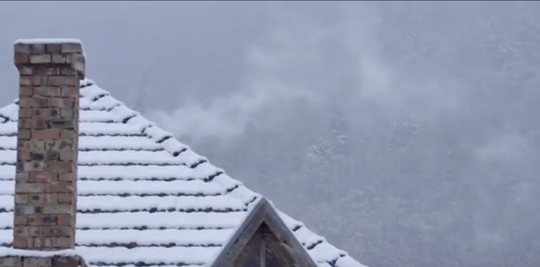
On a winter morning, you can go to bed with clear pavement and wake up to a fresh band of lake-effect snow, drifting against your house while your furnace runs almost nonstop. The wind piles snow along one side of the building, you hear the burner kick on again, and you start to wonder how long your heating system can keep this up. When that heat stops in the middle of a storm, the risk and stress feel very real.
For many Central New York homeowners, heating problems seem to appear out of nowhere, usually on the coldest or snowiest days of the year. In reality, lake-effect snow and deep cold create very specific conditions that push furnaces, boilers, and heat pumps much harder than normal. If you understand what those conditions do to your system, you can spot trouble earlier and take a few simple steps that often prevent a late-night no-heat emergency.
At Holbrook Heating & Air Conditioning, we have been taking care of homes and businesses in Syracuse and across Central and Upstate New York since 1983. Our team has seen how dozens of winters and countless lake-effect bands affect heating equipment in real basements and utility rooms. The patterns are clear, and this guide shares what we have learned so you can reduce the need for heater repair in a Syracuse winter and know when it is time to call in our technicians.
Why Lake-Effect Snow Is So Hard on Heating Systems
Lake-effect snow is different from a typical passing storm. Cold air moves over Lake Ontario, picks up moisture, then dumps that moisture as narrow but intense snow bands across places like Syracuse and the surrounding communities. You might see only flurries one hour and several inches the next, with drifts building up against certain sides of your home while temperatures stay well below freezing for days at a time.
From your heating system’s point of view, that means two things. First, the deeper the cold, the more heat your house loses through walls, ceilings, and windows, so your furnace or boiler has to run longer each cycle to keep the thermostat satisfied. Second, when the air temperature outside drops and stays low, the system has less time to rest between cycles. Instead of short bursts a few times an hour, it may run almost constantly during the worst of a lake-effect event.
That heavy workload shows up as extra wear on moving parts and components that switch on and off. Igniters, blower motors, circulator pumps, relays, and safety controls all operate more often. Over a single winter, the difference can add up to many extra on-off cycles compared to a milder climate. After more than forty years of working through Central New York winters, we consistently see the same components failing first in Syracuse homes that sit in the path of those snow bands.
How Deep Cold Makes Your Furnace Work Overtime
When the temperature in Syracuse dips into the teens or single digits, your heating system’s job changes dramatically. In moderate weather, a furnace or boiler might run for a few minutes, then stay off long enough for all the parts to cool down before the next call for heat. During a deep cold snap, your thermostat sends a nearly constant signal, so burners or heating elements stay active much longer and the blower fan or circulator pump runs for extended periods.
This long run time increases the duty cycle of your equipment. An igniter that normally heats up a few dozen times a day may be triggered far more often when the house loses heat quickly through older windows or marginal insulation. Blower motors and circulator pumps, which move warm air or hot water throughout your home, stay energized for longer stretches, building heat in the windings and bearings. Over several nights of extreme cold, weakened components that seemed fine in early winter can finally reach the breaking point.
Thermostat habits also play a role. Some homeowners set the temperature back sharply at night to save on energy, then ask the system to recover ten or more degrees early in the morning during the coldest hours. In deep cold, this can make the furnace feel like it is not keeping up and can lead to very long recovery runs. If ductwork is restricted or radiators are partially blocked by furniture, the system stays on even longer, stressing safety controls that are there to prevent overheating.
Our technicians see this pattern every winter in Syracuse and nearby towns. We receive a wave of heater repair calls right after the first true Arctic blast, when equipment that has been working marginally finally meets sustained, all-day demand. Because we work with many of the major furnace and boiler brands found in Central New York homes, we are familiar with which parts are most likely to fail under these conditions and how to correct the underlying issues, not just swap a component and walk away.
How Lake-Effect Snow Buries Vents and Outdoor Equipment
Snow is not just a blanket on your yard. During a lake-effect event, wind drives snow into drifts that can partially or completely cover critical parts of your heating system. High-efficiency gas furnaces vent through PVC pipes that typically exit through a sidewall near ground level. One pipe brings in fresh air for combustion and the other exhausts flue gases. When drifting snow piles up around those pipes, it restricts or blocks the airflow the furnace depends on.
Modern furnaces include pressure switches and other safety sensors that constantly check whether they can move air through the venting system. If the pipes are buried in snow or coated in ice, those sensors see an unsafe condition and shut the furnace down to prevent backdrafting or incomplete combustion. From the homeowner’s perspective, the heat simply stops and the thermostat reading starts to drop. From the furnace’s perspective, it is doing its job and refusing to run without proper breathing room.
Heat pumps face a similar challenge. The outdoor unit needs to pull outside air across a coil to absorb heat, even in cold weather. Lake-effect snow can pack around and even inside that unit, clogging the coil and fan. Many modern heat pumps include defrost cycles, but they are not designed to work with several inches of snow sitting against the cabinet or blocking the fan blades. When that airflow disappears, the system can overheat, ice up solid, or shut down on a safety fault.
We often find that the worst vent blockages in Syracuse happen at the sides of homes that face prevailing winter winds or near driveways and walkways where shoveling and plowing pile extra snow. A vent that sat clear in early winter can be half buried after one windy night. During big lake-effect events, a significant share of our emergency heater repair calls come down to blocked vents or buried outdoor units that a quick visual check could have caught earlier in the day.
Frozen Condensate Lines and Other Cold-Weather Furnace Failures
High-efficiency gas furnaces are good at squeezing extra heat out of flue gases, which is why they can help lower energy use. The trade-off is that they produce more water as those gases cool and condense. That water, called condensate, has to drain away through a small pipe or travel into a condensate pump that then moves it to a drain. In a Central New York winter, any part of that path that runs through a cold space can freeze solid.
When condensate drain lines or pumps freeze, water backs up inside the furnace. Manufacturers design these systems with float switches and other safety devices that shut the equipment off to help prevent water damage or electrical short circuits. From the homeowner’s vantage point, the furnace might start for a short time, make unusual sounds, or simply refuse to run at all. Because the root problem sits in a hidden pipe or pump, people often assume a major mechanical failure when the real issue is a frozen, clogged drain.
Other cold-weather failures also tie back to airflow and safety controls. Intake screens on outdoor piping can ice over in blowing snow. Ice ridges at vent terminations can redirect exhaust back toward the intake. Inside the home, restricted airflow from closed registers, thick dust on filters, or blocked returns can cause parts of the heat exchanger to overheat, tripping high-limit switches. These safety devices are not the cause of the problem; they are reacting to conditions that can damage the furnace if allowed to continue.
In older Syracuse homes, we often see condensate lines run along cold basement walls or through unconditioned crawlspaces where temperatures can drop below freezing during cold snaps. Those installations may have worked fine when winters were milder or when the furnace was newer. Once temperatures stay low for several days and the system runs more frequently, those sections can freeze. Our technicians know to look for these vulnerable routes, insulate where appropriate, and reroute or upgrade components so the same problem does not return with the next storm.
Warning Signs Your Heating System Is Struggling Before It Fails
Heating systems often give subtle warnings before they fail, especially during the cold Syracuse winters when demand is high. Early detection of these signs can save homeowners from unexpected breakdowns and costly repairs. Common indicators that your heating system is struggling include changes in operation, unusual noises, and shifts in comfort that signal underlying issues. Holbrook Heating & Air Conditioning helps homeowners identify and address these warning signs before minor problems escalate into major failures.
Key warning signs to watch for include:
- Short cycling: The system starts and stops frequently, which may indicate overheating, venting problems, or worn-out safety components.
- Unusual noises: Squealing, grinding, humming, banging, or gurgling sounds can point to failing motors, capacitors, circulation issues, or air trapped in boiler lines.
- Inconsistent temperatures: Rooms that remain cold or areas that heat unevenly suggest airflow problems, undersized ductwork, or radiators struggling to keep up.
- Slow temperature response: If the thermostat takes longer than usual to reach the set temperature, it may signal decreased system output or mechanical inefficiency.
- Frequent resets or pressure adjustments: Furnaces tripping reset buttons or boilers requiring constant pressure corrections indicate stressed or failing components.
- Excessive reliance on backup systems: Heat pumps switching to backup heat more often than normal may reflect mechanical wear or capacity issues.
- Changes during extreme weather: Sudden shifts in comfort during cold snaps, strong winds, or other extreme conditions often reveal weaknesses in the system or building envelope.
Addressing these warning signs promptly can prevent small issues from turning into major breakdowns. With Holbrook Heating & Air Conditioning, homeowners in Syracuse benefit from a thorough inspection that identifies the root cause of heating problems, restores efficiency, and ensures reliable performance throughout the winter. Early attention not only protects your system but also keeps your home warm, safe, and comfortable during the coldest months of the year.
Storm-Day Checks You Can Safely Do Yourself
There is a lot you should leave to a professional, especially in very cold weather, but there are also simple checks you can do during a lake-effect event that make a real difference. Start outside by locating any furnace or boiler vent pipes and your heat pump’s outdoor unit, if you have one. During and after snow, look from a safe, level surface to see whether snow has drifted up around those pipes or piled against the unit. Clearing a channel around them with a shovel or brush, without hitting the equipment, can restore essential airflow.
Inside, take a moment to check your air filter if you have a forced-air system. A filter that looks dark, thick with dust, or obviously bowed can choke airflow and make the furnace run hotter, longer, and less efficiently, especially during cold snaps. Replacing a dirty filter with the correct type for your system is one of the simplest ways to reduce strain. Also walk around and confirm that supply registers and return grilles are open and not blocked by rugs, curtains, or furniture.
These are visual and basic maintenance checks. It is not safe for homeowners to open furnace cabinets, adjust gas valves, bypass safety switches, or work on wiring. Avoid climbing icy ladders or walking on slippery surfaces to reach vents that are not safely accessible from the ground. If you see ice forming on vent terminations, hear unusual sounds from your equipment, or smell gas or strong burning odors, that moves beyond DIY territory and is the point to call for professional help.
During maintenance visits, our technicians often walk customers through these storm-day checks so they feel more confident keeping an eye on their own equipment between visits. As a family-owned company with deep roots in Central New York, we want our neighbors to have practical tools to handle the weather we all live with. A few quick checks during a snow band can be the difference between steady heat and a cold house while you wait for an emergency slot to open.
Pre-Winter Prep to Cut Down on Heater Repairs
The best time to think about heater repair in a Syracuse winter is before you need it. Scheduling a professional heating inspection and tune-up in the fall lets a technician catch problems while the weather is still mild and parts are easier to replace without the pressure of single-digit temperatures. We typically see far fewer mid-season emergencies from homes that had a thorough pre-winter check compared to those that waited until the first real storm to think about their furnace or boiler.
During a winter prep visit, a technician can inspect the heat exchanger for signs of cracking or stress, verify that burners are clean and burning properly, and test key safety controls, such as limit switches and pressure switches, to make sure they respond the way they should. They can also check blower motors and circulator pumps for proper operation, confirm that thermostat wiring and settings are correct, and look at venting and condensate drains to see if the layout is vulnerable to freezing or blockages.
On the airflow side, a pre-season visit is a good time to assess ductwork, look for obvious leaks, and make sure returns and supplies are reasonably balanced. In older Central New York homes, our technicians often find rooms added over time with marginal duct runs that struggle in deep cold. While not every issue can be solved immediately, identifying them before winter allows for a plan so you are not discovering them during a late-night storm.
Because Holbrook Heating & Air Conditioning has more than 200 employees serving Syracuse and surrounding communities, we have the capacity to schedule these tune-ups before lake-effect season really ramps up. Many of the customers who have left reviews mention the peace of mind that comes from having a system checked over by a friendly, professional technician who explains what they are doing. That kind of fall visit can reduce the chance that your first real interaction with us is a no-heat call in a blizzard.
When to Call Holbrook for Heater Repair in Winter
Even with good preparation and careful checks, there are clear situations where you should set DIY aside and call a professional. If your furnace, boiler, or heat pump stops producing heat altogether while outside temperatures are below freezing, especially overnight, it is time to reach out. Repeated system lockouts, breaker trips, gas smells, or visible ice and damage around vents or outdoor units are also signals that trained technicians need to take a closer look.
When you contact Holbrook Heating & Air Conditioning for heater repair in a Syracuse winter, you can expect a live response at any hour. Our 24/7 emergency service exists because we know heating issues do not wait for business hours, and subfreezing temperatures can make a cold house more than just uncomfortable. Technicians who live in the same Central New York communities as you arrive ready to diagnose not just what failed, but why it failed, whether that is a blocked vent, a frozen line, or a worn part pushed over the edge by the latest lake-effect event.
During a winter service call, our goal is to restore heat safely and then discuss any steps that can reduce the risk of the same problem returning with the next storm. That might include adjusting vent terminations, improving condensate routing, or planning follow-up work when weather allows. With our long-standing A+ rating from the Better Business Bureau and strong local reputation, we focus on clear communication and honest recommendations so you understand your options in the middle of a stressful moment.
Stay Warm and Prepared for Syracuse’s Next Lake-Effect Band
Syracuse’s lake-effect snow and deep cold do put extra stress on furnaces, boilers, and heat pumps, but the problems that show up during storms are rarely random. Buried vents, frozen condensate lines, long run times, and airflow restrictions are predictable patterns in this climate. Once you know what to watch for, a few careful checks during storms and a thoughtful pre-winter tune-up go a long way toward keeping your home comfortable and your system out of trouble.
When winter weather pushes your heater beyond what feels safe to handle on your own, or when the heat simply will not stay on, Holbrook Heating & Air Conditioning is ready to respond. Our local team has spent decades working through Central New York winters and understands how Syracuse’s snow and cold affect real systems in real homes. For pre-season maintenance or urgent heater repair in a Syracuse winter, call us any time.